A roof that looks like a simple rectangle, a pool with deep ends and steps, or a limestone wall with open pores can all produce the same surprise: the paint runs out sooner than expected. Most paint coverage questions come down to one point – the coverage figure on a product is a planning guide, not a substitute for measuring the surface and assessing its condition.
Getting quantities right means less waste, fewer delays and a better chance of applying the full coating system as specified. Whether you are repainting interior walls, coating a roof, protecting masonry or planning a pool-paint project, start with the surface rather than the tin size.
What does paint coverage actually mean?
Paint coverage is usually expressed as the number of square metres a litre of product can cover under suitable conditions. That figure assumes a reasonably even, properly prepared surface and application at the recommended film build. It is not a promise that every wall, roof or pool will use exactly that amount.
A smooth, previously painted wall in sound condition may sit close to the stated spread rate. A rough cement-render wall, weathered roof surface or porous limestone can absorb more coating and reduce the area covered per litre. Application method matters too. Brush and roller application, airless spray equipment, overspray, lap marks and product left in trays or hoses all affect practical usage.
For that reason, use the product’s technical data sheet as the primary reference. It identifies the suitable surfaces, preparation steps, recommended coats, application methods and nominal coverage. If the coating system includes a primer, sealer or separate topcoats, calculate each product individually.
The first paint coverage question: how do I measure the area?
Measure the area to be coated in square metres. For a simple wall, multiply the width by the height. Measure each wall separately, then add the totals together. Doors and windows can be deducted on larger projects, although many DIY painters leave small openings in their calculation to allow for cutting-in, touch-ups and ordinary application loss.
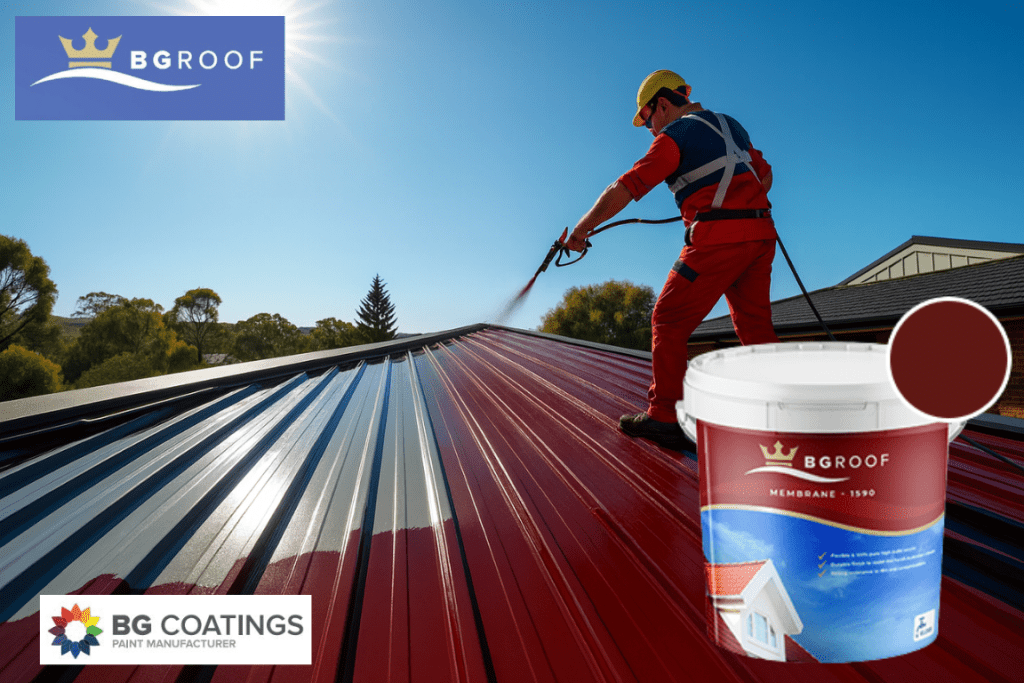
Roofs need more care. The building footprint is not necessarily the roof area because the roof pitch increases the actual surface to be coated. Include verandahs, garage roofs, fascias and other components only if they are receiving the same coating system. Corrugated steel, tiles and aged roof surfaces also have more texture than a flat plan measurement suggests.
Pool calculations are different again. Include the floor, walls, steps, benches and any other areas below the waterline that will be coated. Depth changes matter, particularly in pools with a deep end. Before purchasing pool paint or primer, use the BG Pool Paint Calculator. It is a practical way to estimate quantities from pool dimensions or water volume while accounting for the existing pool surface and appropriate coating system.
For irregular areas, break the job into basic shapes. Measure rectangles, triangles and circles separately, then add them together. This is more reliable than guessing a single total from visual inspection.
A simple quantity calculation
Once you have the total area, divide it by the coverage rate stated for the product. Then multiply the result by the number of coats required.
For example, if a coating covers a stated number of square metres per litre and the surface requires two full coats, calculate the quantity for one coat first, then double it. Do the same for a primer or sealer if one is required. Keep a sensible allowance for surface texture, waste and touch-ups, particularly on porous or detailed surfaces.
Do not use one product’s coverage figure for another. A penetrating masonry sealer, a high-build roof coating and a pool paint can all have very different spread rates and application requirements.
Why coverage changes from one surface to another
The condition of the substrate has a major effect on how much paint is needed. A clean, sound surface with an existing compatible coating behaves very differently from a chalky, bare or heavily weathered surface.
Porosity is a common cause of higher paint use. Bare masonry, unsealed concrete, cement render, limestone and sandstone may draw product into the surface. The correct sealer or primer can help create a more even base for the finishing coats, but it must suit both the substrate and the coating applied over it. Sealing is not simply an extra coat to skip when the job needs to stay within budget.
Texture also increases the real area. Corrugated metal, roof tiles, rough render and patterned masonry have ridges, valleys and open texture that a flat measurement cannot fully capture. More material is needed to coat those profiles evenly.
Colour change can affect the required work as well. Moving from a very dark finish to a much lighter colour, or coating a patchy repaired surface, may require additional preparation or coats for a consistent appearance. The technical data sheet and colour selection should guide the system, rather than relying on a general rule about how many coats are always needed.
How many coats should you allow for?
The answer depends on the coating system, the surface and the existing finish. Some projects need a primer followed by topcoats. Others may need cleaning, repairs, spot priming and full finishing coats. A coating designed for a specific surface should be applied according to its documented instructions, not according to the number of coats used on a different job.
For exterior surfaces, preparation is particularly important. Dirt, salt, mould, loose material, oxidation and chalking can interfere with adhesion and lead to uneven absorption. On roofs, pool surfaces and industrial substrates, coating compatibility deserves close attention. Applying a new coating over an unknown or unsuitable old coating can create problems that additional paint will not fix.
If you are unsure what is currently on the surface, identify the substrate and assess the existing coating before ordering. Small test areas may be appropriate where technical guidance recommends them. For larger, specialised or commercial work, review the relevant technical documentation before committing to the full system.
Common mistakes behind paint shortages
The most frequent mistake is calculating only the floor area of a space and overlooking walls, edges, steps or vertical faces. The next is using a nominal coverage rate without allowing for two coats. Both errors can leave a project short at the point when maintaining a wet edge and colour consistency matters most.
Another issue is treating preparation products as optional. If a porous or difficult surface needs a compatible primer or sealer, omitting it can make topcoat usage harder to predict and may compromise the intended system. The lowest quantity on paper is not always the most economical purchase if it means the coating is applied inconsistently.
It is also worth considering pack sizes before ordering. Work from the calculated requirement, then select practical pack combinations that leave enough product for the final sections and any future touch-up needs. Where colour matching is involved, keeping enough of the same batch for the main application can help reduce variation across the project.
Better planning for roofs, pools and masonry
Specialist surfaces deserve a more careful estimate than standard interior walls. Roof coatings must cover the actual roof profile and any specified components, while the surface must be cleaned and prepared in line with the coating instructions. A roof with extensive weathering, repairs or texture may require more product than a simple plan-area calculation suggests.
For swimming pools, never estimate from the waterline alone. The full internal surface, including steps and depth changes, needs to be considered. The BG Pool Paint Calculator is the best starting point for planning pool paint and primer quantities, especially when selecting between systems for different existing pool surfaces.
For limestone and sandstone, assess absorbency before assuming a standard coverage figure. These materials can vary considerably from one wall to the next. The right sealer and a clean, dry, sound surface are central to achieving an even result.
When to ask for technical advice
A quick conversation before purchase can prevent an expensive quantity or compatibility mistake. Ask for guidance when the surface is unusually porous, previously coated with an unknown product, showing peeling or chalking, exposed to demanding conditions, or part of a pool, roof or industrial maintenance system.
Have useful details ready: the surface type, total measured area, current coating condition, photos if available, desired finish and application method. This gives the technical team a clearer basis for recommending a suitable product system and helping you interpret the coverage information.
BG Coatings manufactures and supplies coating systems from Malaga, with practical product support for customers who want to plan the job properly before opening a tin. Check the relevant technical data sheet, measure carefully and allow for the real condition of the surface. A considered estimate is one of the simplest ways to keep a coating project moving from preparation through to the final coat.