A topcoat can look sound on application day and still fail early if the surface beneath it was not properly prepared. Industrial primers provide the critical bond between the substrate and the coating system, helping protect steel, concrete, masonry and other demanding surfaces from moisture, corrosion and premature coating failure.
For maintenance teams, builders, fabricators and professional painters, primer selection is not simply a matter of choosing a product labelled for metal or concrete. The existing surface, site exposure, preparation standard and finish coat all need to work together. Getting that system right before painting starts can prevent wasted labour, unnecessary recoating and difficult adhesion problems later.
What industrial primers actually do
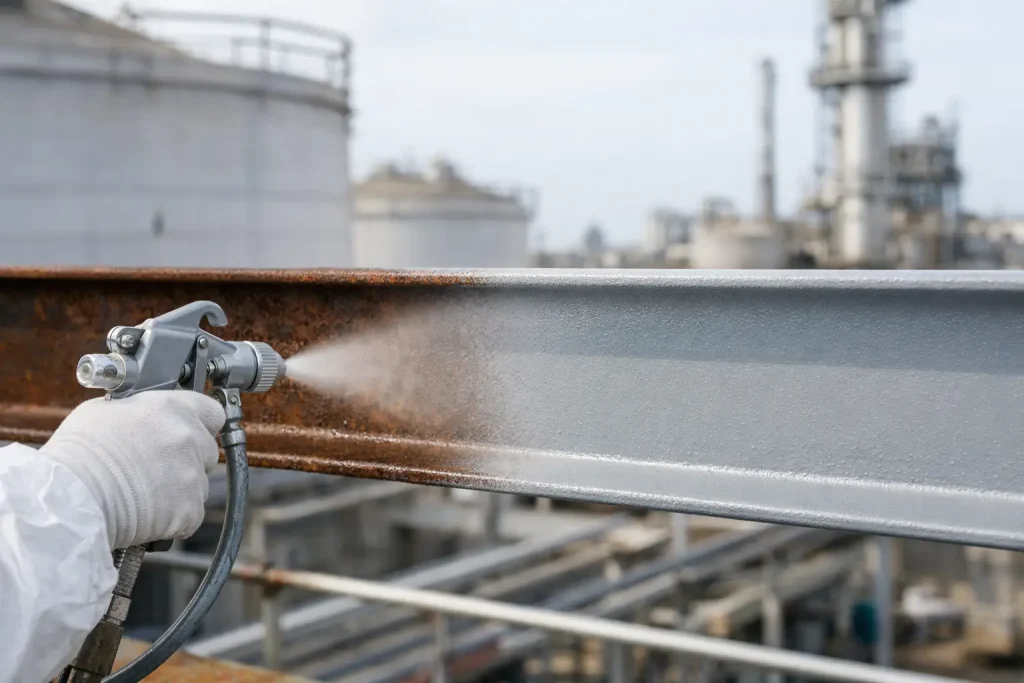
An industrial primer is the first coat applied to a prepared substrate before compatible intermediate or finish coats. Its main job is to anchor the coating system to the surface. Depending on the formulation, it may also help inhibit corrosion, reduce porosity, seal a mineral substrate or provide a suitable surface for the next coat.
The primer is not a substitute for cleaning or repair. It cannot reliably bond through loose rust, chalking paint, oil, salts, dust or friable concrete. Nor can a high-build topcoat compensate for a primer that is incompatible with either the substrate or the finish coat. A coating system performs as a system, not as separate tins of paint.
This matters particularly in Western Australian conditions, where industrial assets can face strong UV, rain, temperature changes, coastal salt exposure, wash-down areas and regular mechanical wear. The right primer helps the whole coating system start on a sound footing, but the level of protection required depends on the environment.
Choosing industrial primers by substrate
The first question is always: what are you painting? Different surfaces present different adhesion and protection challenges.
Steel and ferrous metal
Bare steel needs protection from corrosion as soon as practical after preparation. A suitable metal primer can provide adhesion and corrosion resistance beneath a compatible topcoat. The correct choice depends on whether the steel is indoors, externally exposed, near the coast, subject to condensation or operating in a more demanding industrial environment.
Previously painted steel requires a different assessment. If the existing coating is firmly adhered and compatible, it may be possible to clean, abrade and spot-prime exposed areas before recoating. If it is peeling, heavily rusted, soft, unknown or incompatible with the proposed coating, more extensive removal and testing may be required.
Galvanised steel, aluminium and other non-ferrous metals should not be treated like ordinary mild steel. These surfaces often need specific cleaning, abrasion and a primer designed for the substrate. Skipping this step can lead to adhesion loss even when the finish coat itself is high quality.
Concrete, masonry and cementitious surfaces
Concrete and masonry are porous, but not every surface needs the same primer. Dense, smooth concrete may need mechanical profiling for the coating to grip, while porous masonry can benefit from a sealer or primer that helps create a more uniform surface for the next coat.
New concrete needs adequate curing and should be checked for moisture, laitance and surface contaminants before coating. Older concrete may have absorbed oils, waterborne salts or cleaning residues. Cracks, spalling and weak areas should be assessed and repaired with materials suited to the coating system before priming.
For masonry walls, the condition of existing paint is just as important as the substrate underneath. Powdery or chalky coatings need to be removed or stabilised as appropriate. Applying a new primer over an unstable old finish simply transfers the weakness into the new system.
Previously coated industrial surfaces
Recoating can be efficient, but only when the existing coating is sound. Check adhesion, gloss level, contamination and coating type before selecting a primer. A simple adhesion test in an inconspicuous area can be useful, particularly when the existing paint history is unknown.
A compatible primer may be needed over bare patches, repairs or difficult areas, while a full prime may be more appropriate where the old coating has become porous or uneven. Technical data sheets should guide compatibility, recoat windows and application requirements.
Surface preparation decides the result
Most coating failures begin before the first coat is applied. Preparation needs to remove contaminants, create a stable surface and provide the profile required for the primer to hold.
For metal, this commonly means removing loose rust and failed paint, degreasing thoroughly and abrading or blasting to the preparation standard specified for the product and service conditions. Freshly prepared steel should not be left exposed unnecessarily, particularly where humidity or salt contamination is a concern.
For concrete and masonry, remove dirt, loose material, efflorescence, oils and poorly bonded coatings. The surface must be dry enough for the specified coating system and free from residues that may interfere with adhesion. Acid washing, pressure cleaning or mechanical preparation may have a place in some jobs, but the method must suit both the substrate and the primer. Cleaning methods that leave soluble residues or force moisture into the surface can create their own problems.
Before opening the primer, inspect the work area for details that are easy to miss: sharp edges, weld spatter, pitting, cracks, drain points and areas likely to hold water. These locations often need extra attention because coatings are naturally thinner on sharp edges and more vulnerable where moisture sits.
Match the primer to the complete system
A primer should be selected with the finish coat in mind. Solvent-based, water-based and two-pack coatings may have different compatibility requirements. The planned application method, dry film build, recoating interval and expected exposure all influence the correct system.
For example, a straightforward internal steel item may require a different primer approach from external plant exposed to weather. A concrete floor in a lightly used storeroom has different requirements from a surface exposed to vehicle traffic, chemical spills or repeated wash-down. More protection is not automatically better if the coats are not compatible or the surface has not been prepared to suit them.
Where corrosion protection, chemical resistance or higher-build coatings are involved, check the relevant technical data sheet and safety data sheet before starting. These documents set out practical requirements for mixing, thinning where permitted, application equipment, pot life, drying, recoating and safety precautions. They should be treated as part of the job specification, not as paperwork to read after application.
Apply primer with control, not guesswork
Once the surface is prepared, application conditions still matter. Avoid coating onto wet surfaces, during unsuitable weather or when condensation is likely. Keep the work area clean so dust, overspray and airborne contaminants do not settle into the fresh primer.
Mix products thoroughly in accordance with the product instructions. Two-pack primers require accurate proportioning and proper mixing. Applying a coat that is too thin may reduce protection and leave the substrate insufficiently sealed; applying too heavily can affect drying, curing or recoating. Use the recommended brush, roller or spray method and pay close attention to edges, welds, corners and repaired areas.
If there is a delay before the topcoat, check the specified recoat window. Leaving primer exposed beyond its recommended period may mean it needs cleaning, abrasion or another preparation step before the next coat. This is especially relevant on external jobs where dust, moisture and UV exposure can affect the primed surface.
Common mistakes to avoid
The most expensive mistakes are usually avoidable. They include coating over contamination, using a general-purpose primer on a specialised substrate, assuming old paint is compatible, and applying the finish coat outside the recommended recoat window. Another common issue is spot-priming bare metal but failing to feather the surrounding edges of the existing coating, leaving a visible step or weak transition.
It is also worth avoiding product substitutions made purely for convenience. A primer that is suitable for one surface or topcoat may not be suitable for another. If the substrate, old coating or exposure conditions are uncertain, pause before application and confirm the system rather than relying on appearance alone.
Plan the coating system before ordering
A practical coating plan should identify the substrate, its condition, the preparation method, the primer, the compatible topcoat and the expected service environment. Measure the area accurately and allow for profiles, edges, repairs and the number of coats required. Coverage rates are useful planning figures, but real consumption varies with surface texture, application method and wastage.
BG Coatings can assist Perth and WA customers with practical coating selection, colour matching and product documentation for suitable industrial coating systems. Bringing clear photos, substrate details and information about the existing coating helps make that advice more useful.
The best time to solve a primer question is before the surface is coated. Confirm the substrate, prepare it properly and follow the documented system – that is how a finish coat gets the support it needs to perform.