A paint colour matching service can save a repaint from becoming a near-match that looks wrong as soon as it dries. Whether you are touching up a rendered wall, refreshing a faded roof, recoating a pool or matching an existing finish in a commercial property, the colour is only one part of the decision. The surface, previous coating, sheen level and preparation requirements all affect the result.
A good match begins with a useful sample and clear information about the job. That gives the supplier a far better basis for recommending the appropriate coating system, rather than simply producing a colour that looks close under showroom lighting.
What a paint colour matching service can do
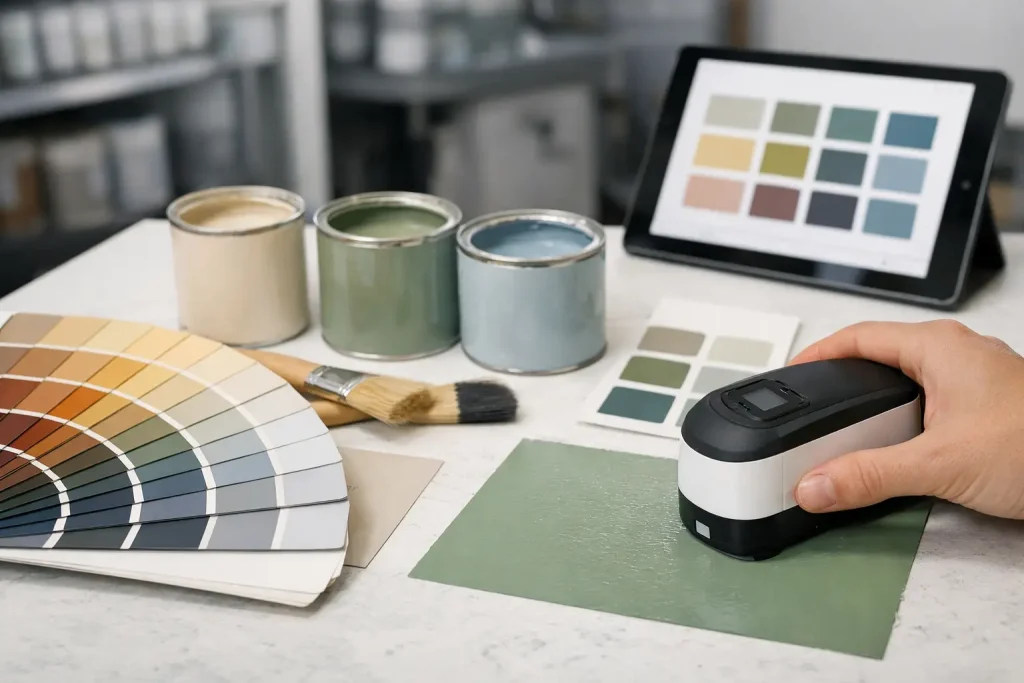
Colour matching uses a physical sample, colour reference or existing painted surface as the starting point for creating a paint colour as closely as practical. It is particularly useful where a colour name is unknown, an older coating is no longer available, or only part of a surface needs repainting.
For homeowners, this may mean matching an exterior wall before repairing and repainting a section. For painters and maintenance teams, it can help maintain a consistent appearance across staged work, tenancy maintenance or larger projects. Roof and pool customers may also need a particular colour matched, but they still need a coating designed for that specific exposure and substrate.
A colour match is not automatically a recommendation for every paint type. Interior wall paint, roof coating, chlorinated rubber pool paint, two-pack epoxy and industrial coatings have different purposes, application requirements and compatible substrates. The right question is not only, “Can this colour be matched?” It is also, “Can it be supplied in a coating system suited to this surface?”
Bring the right sample for a better match
The quality of the sample has a direct effect on the quality of the match. A clean, solid piece of the original material is generally more useful than a mobile photo or a colour described from memory.
Where possible, provide a sample that is at least palm-sized and represents the area you want to match. A removable offcut, painted panel, loose flake from a sound coating, tile or colour card can all be helpful. Avoid samples that are heavily chalked, dirty, damp or stained, as these may not reflect the original finish.
Photos are useful for showing the wider project, but they are not reliable as the sole basis for matching colour. Mobile screens, camera processing, shade and indoor lighting can all change how a colour appears. A photo of the surface in natural light, together with a physical sample, provides much more useful context.
If you cannot remove a sample, take clear photos and record as much detail as possible: the surface type, location, approximate age of the coating, whether it is internal or external, and any product information still available. A previous tin label, invoice or colour name may be enough to identify a practical starting point.
Why an exact match is not always possible
Paint changes over time. Sunlight, weather, cleaning products, salt air, chemical exposure and general wear can alter the appearance of a coating. Even when the original formulation is known, the painted surface may have faded or changed compared with fresh paint.
This is why a newly matched touch-up can sometimes look different against an aged wall or roof. The fresh coating may be technically matched to the sample, but surrounding areas can vary because they have weathered at different rates. Texture also matters. A smooth sample and a rough rendered wall reflect light differently, so the same colour can appear lighter or darker.
Sheen is another common source of disappointment. A low-sheen wall finish, gloss trim coating and satin surface can look like different colours despite using a similar tint. Tell the supplier whether the existing finish is matt, low sheen, satin, semi-gloss or gloss where known.
Some colours and finishes require extra care. Metallic effects, pearlescent coatings, translucent stains and heavily textured finishes are not straightforward colour-match jobs. In these cases, a test application is especially important before committing to the full area.
Colour is only part of the coating decision
A repaint performs best when the coating system is selected for the substrate and the condition of the existing surface. This is particularly important when matching older coatings, where the previous product may be unknown.
For exterior walls, consider whether the surface is masonry, render, fibre cement, timber or previously painted cladding. Check for chalking, peeling, cracking, mould, efflorescence or dampness before choosing a coating. A colour match will not correct poor adhesion or a contaminated surface.
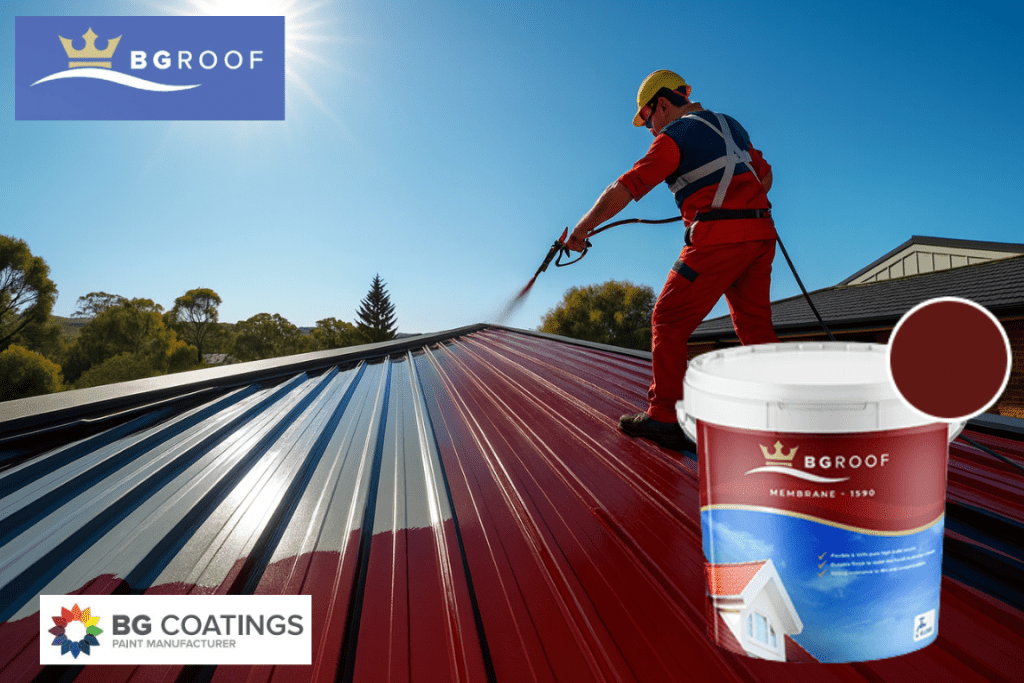
For roofs, the coating needs to suit the roof material and the existing finish. Preparation may include cleaning, treating corrosion where applicable, addressing loose coating and applying the correct primer where the system calls for it. Roof colour can look markedly different in full sun than it does on a hand sample, so a test area is worth the effort.
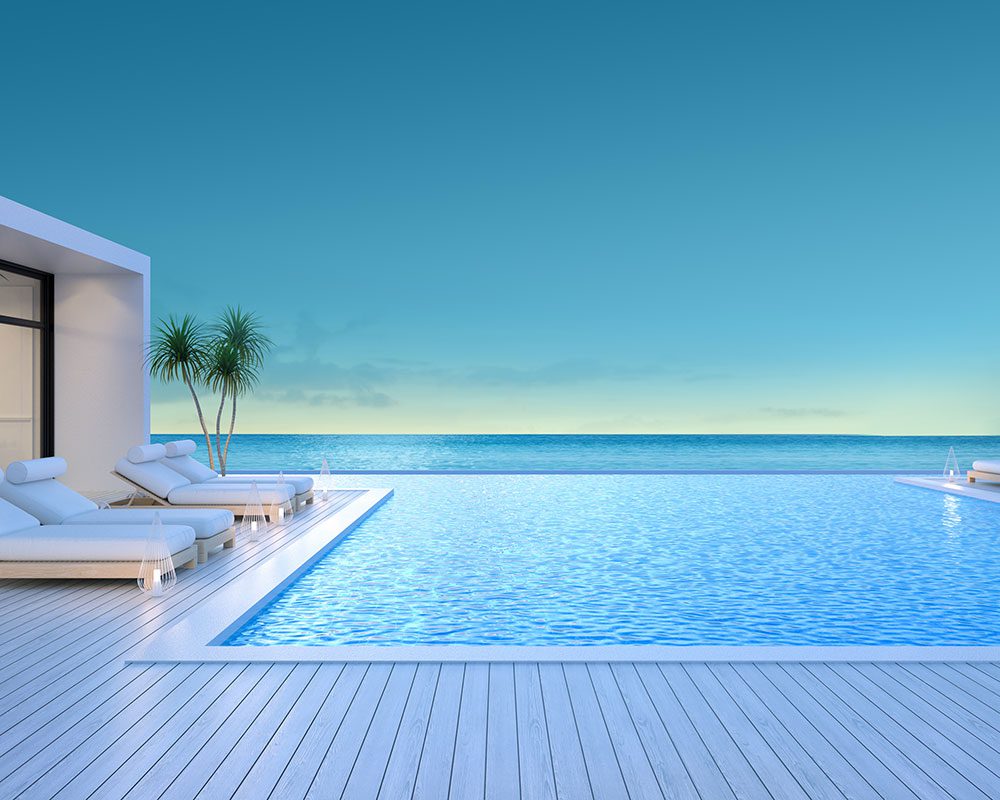
For swimming pools, coating compatibility is critical. Identify the existing pool surface and whether it is bare concrete, previously coated with chlorinated rubber, epoxy or another system. Do not choose a pool paint based on colour alone. Speak with the supplier if the existing coating is uncertain, and use the BG Pool Paint Calculator before purchasing to estimate suitable paint and primer quantities from your pool dimensions or water volume. It is a practical way to plan the system before the pool is emptied and prepared.
For industrial and maintenance work, include details such as the substrate, exposure, cleaning process, expected wear and whether the coating is for floors, walls, steelwork or equipment. The same colour may be available in more than one product type, but suitability comes first.
How to check a matched colour before painting
Once a colour has been prepared, apply a small test patch or sample board using the intended product and application method. Let it dry and assess it at different times of day. Morning shade, direct afternoon sun and indoor lighting can each reveal a different undertone.
Test in an inconspicuous section, but choose an area that still receives similar light and exposure to the main surface. A patch behind a downpipe may not tell you how the colour will look on a broad west-facing wall. On a large elevation, it is often better to repaint a complete section or natural break rather than attempt isolated touch-ups.
Before proceeding, confirm that the finish level, surface texture and coating system are all appropriate. If the match looks slightly off, provide feedback while the sample and project details are still available. Small adjustments are much easier before product is applied across the job.
Information that helps the matching process
When arranging a colour match, explain what you are coating and what outcome you need. The most useful details are the surface material, whether it is inside or outside, the condition of the existing coating, the desired sheen and whether the area is a full repaint or a touch-up.
It also helps to state whether the job has special demands. Pool interiors face different conditions from exterior masonry. A roof coating has different needs from an interior low-sheen wall paint. Providing this information allows a supplier to guide you towards a suitable coating range, preparation method and technical documentation.
For trade customers, retaining a record of the matched colour, product type, finish and batch details supports more consistent future maintenance. For homeowners, keeping a labelled sample and noting where it was used can make later repairs much less complicated.
Get the colour right, then prepare for it
BG Coatings can assist customers with colour matching and practical advice on selecting an appropriate coating system. Local collection from Malaga may suit Perth projects, while availability and delivery options should be checked for the specific product range and destination.
The best result comes from treating colour matching as part of the whole job: provide a sound sample, identify the surface, confirm coating compatibility and test the finish before applying it widely. That little extra preparation gives your chosen colour the best chance to look right and perform as intended.