A coating job can look straightforward until the first compatibility issue appears: peeling over an old finish, patchy absorption on masonry, or a roof coating applied to a surface that was not properly cleaned. For painters, builders, maintenance teams and capable DIY renovators, selecting trade paint supplies is not simply about buying tins of paint. It is about choosing a coating system that suits the surface, the environment and the way the work needs to be completed.
Professional-quality results begin before the first roller is loaded. The right product matters, but so do surface preparation, primer selection, coverage planning and access to clear technical information. Getting those basics right helps reduce wasted material, avoidable rework and uncertainty on site.
Start with the surface, not the colour
Colour is an important decision, particularly for exterior walls, roofs and commercial maintenance work. But the existing surface should determine the coating system first. A coating formulated for a rendered wall is not automatically suitable for metal roofing, a concrete pool shell or weathered limestone.
Before ordering, identify what is being coated and what is already on it. Is the surface bare, previously painted, porous, chalky, sound but faded, or showing signs of peeling? Has it been exposed to pool chemicals, coastal conditions, regular foot traffic, industrial contamination or strong WA sun? These questions affect whether a primer, sealer, specialised topcoat or complete removal of failed coating may be required.
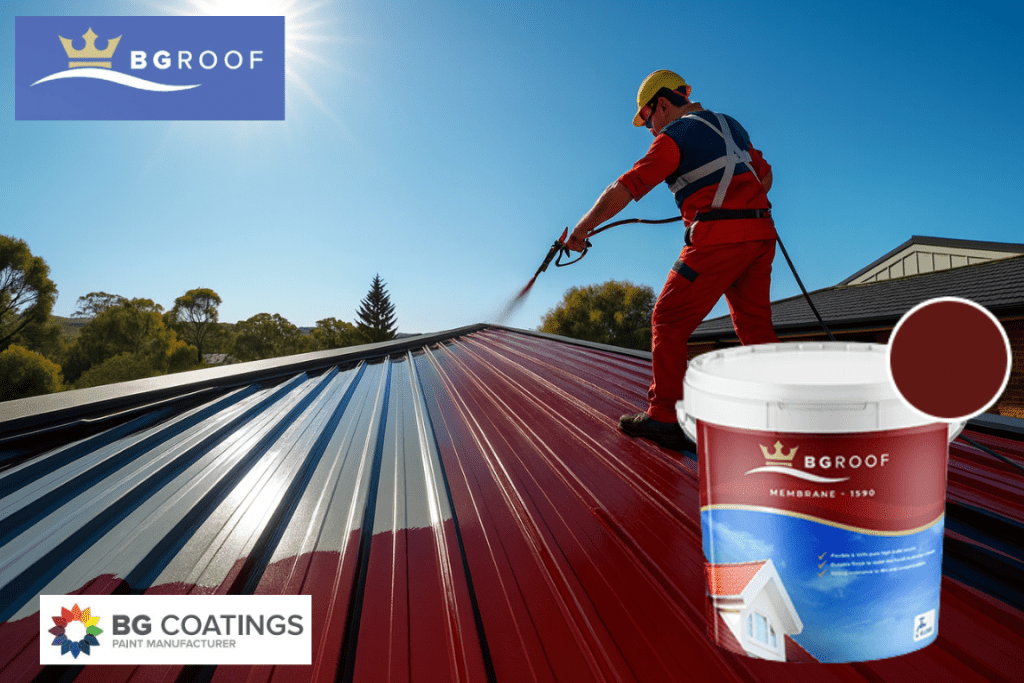
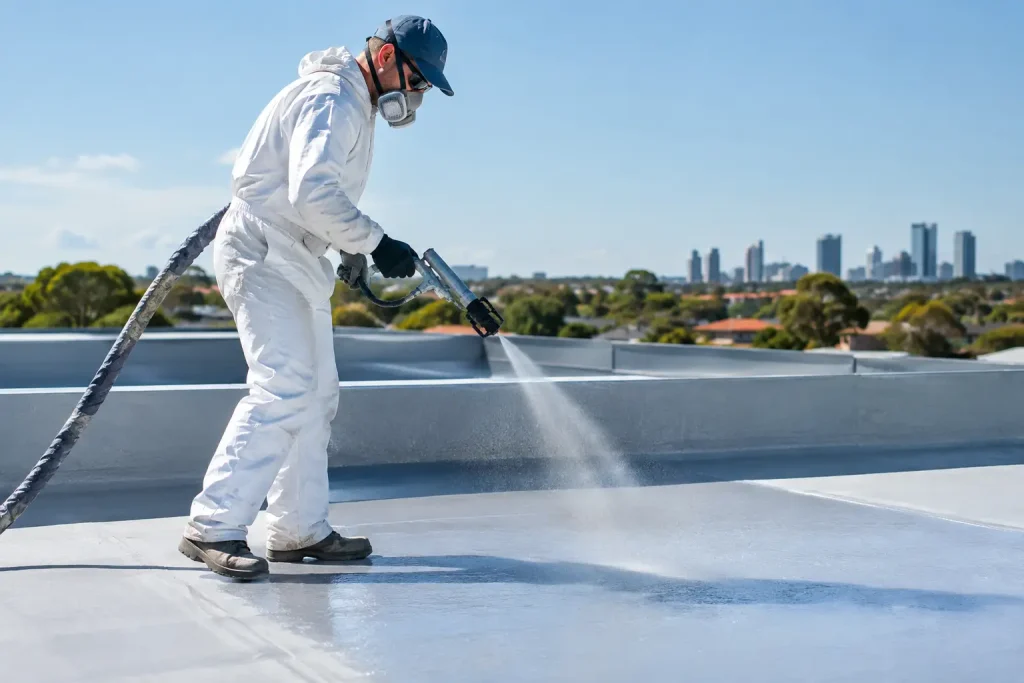
For example, a porous masonry surface may need a suitable sealer to manage absorption before coating. A pool needs a compatible pool-paint system based on its existing coating and substrate. Metal roof work requires a roof coating system that accounts for substrate condition, cleaning and any necessary priming. Using a general-purpose product where a specialist system is needed can make application harder and compromise the finished result.
Check compatibility with existing coatings
Existing paint is one of the most common sources of uncertainty. It is not always obvious whether an old surface has been coated with acrylic, epoxy, chlorinated rubber or another product. Where the coating history is unknown, do not assume a new coating will bond simply because the surface looks sound.
Inspect the coating closely. Look for cracking, lifting, powdering, gloss levels and areas where water may have tracked underneath. A small compatibility test can be useful, but it does not replace reading the relevant technical data sheet or seeking product guidance where the job is specialised. Pool coatings, industrial surfaces and high-exposure roof applications deserve particular care because the cost of correcting an incompatible system can be significant.
What reliable trade paint supplies should include
A trade order should be planned as a system rather than a collection of individual products. Paint is only one component. Preparation materials, primers, compatible fillers or sealers, applicators and cleaning products all influence the result.
When assessing trade paint supplies, look for clear information on suitable substrates, preparation requirements, application method, recoating conditions, coverage guidance and clean-up. Technical data sheets and safety data sheets should be readily available, particularly for professional teams, property-maintenance businesses and industrial buyers who need consistent processes across multiple jobs.
Manufacturer support also has practical value. It can help clarify whether a product suits a particular surface, how much material may be needed and whether an undercoat or primer should be included. That is more useful than relying on a broad label description when the surface has unusual conditions or an existing coating system.
At BG Coatings, coatings are manufactured in Australia and supplied directly from the manufacturer, with practical advice available for selecting a suitable system. For trade customers, that direct access can assist with product consistency, colour matching and technical documentation when planning ongoing work.
Preparation is part of the coating system
Even the right coating cannot compensate for poor preparation. Dirt, salts, mould, chalking, loose paint, oil and moisture can all interfere with adhesion. Preparation requirements vary by substrate, so a one-size-fits-all approach is rarely appropriate.
Exterior walls may need washing and removal of loose or degraded material before priming and painting. Metal surfaces need to be clean, dry and appropriately prepared for the coating system selected. Limestone and sandstone require care because their porosity and natural appearance can be affected by the wrong product or excessive application. For these surfaces, use a sealer or coating specifically intended for the material and follow the product instructions closely.
Pools should only be assessed and coated when empty and prepared according to the selected pool-paint system. The existing pool surface, previous coating type and substrate all affect product choice. Before purchasing, use the BG Pool Paint Calculator to estimate the paint and primer quantities that may be required from the pool dimensions or water volume. It is a practical way to plan the order and reduce the risk of running short midway through a job.
Do not skip condition checks
A clean surface is not necessarily a sound surface. Pressed areas, flaking edges, cracks, rust, efflorescence and powdery residue need attention before coating begins. If moisture is trapped or the substrate is unstable, applying another coat may only hide the issue temporarily.
For larger maintenance programs, record the surface condition and preparation steps for each area. This helps crews work consistently and gives property managers a clearer basis for future touch-ups or repainting decisions.
Plan quantities around coverage and the full scope of work
Under-ordering paint creates delays, while substantial over-ordering ties up money and storage space. Coverage rates are useful planning tools, but they are estimates rather than promises. Surface profile, porosity, application method, coat count and wastage all affect actual consumption.
Measure walls, roofs or floors carefully and subtract large openings where appropriate. Then account for the specified number of coats, any primers or sealers, and difficult sections such as parapets, trim, gutters or heavily textured areas. A rough surface usually uses more coating than a smooth one, and fresh masonry may behave differently from previously painted masonry.
For trade work, it is also sensible to consider colour continuity. Where a job requires multiple batches, plan the supply early and check the colour reference before application. Colour matching support is valuable for maintenance work, but the condition and age of the surrounding coating can affect how a new section appears beside an older finish.
Choose application tools to suit the coating
Brushes, rollers and spray equipment do not all produce the same result. The recommended application method is part of the product guidance, not an afterthought. A roller sleeve suited to a smooth internal wall may be unsuitable for textured render, while some specialist coatings have specific requirements for mixing, pot life or spray set-up.
Use clean, well-maintained equipment and allow enough time for preparation, application and recoating in line with the technical data sheet. Rushing between coats or applying material outside the stated conditions can create problems that are difficult to correct later. For two-pack systems, measure and mix components exactly as directed and only prepare quantities that can be used within the stated working time.
Buy for dependable support, not just shelf availability
The best supplier for a trade job is not necessarily the one with the broadest generic range. It is the supplier that can provide suitable coating systems, practical product information and dependable access to technical documents when questions arise.
This matters most when the coating has a specific job to do: protecting a roof, refreshing a pool, finishing exterior walls, sealing natural stone or supporting industrial maintenance. Product selection should reflect the substrate and service conditions, rather than what happens to be available on the shelf.
Before placing the order, confirm the surface type, coating history, preparation plan, required coats and quantities. Then keep the relevant technical and safety data sheets with the job records. A few careful checks at the start can make the application more efficient and give the finished coating its best chance to perform as intended.