A metal gate can look sound from a distance while corrosion is already developing beneath a tired coating. The decision between acrylic versus epoxy metal coatings affects more than finish and application method. It determines how well the coating system handles sunlight, moisture, abrasion, chemicals and the condition of the metal underneath.
For homeowners, painters and maintenance teams, the right choice is rarely about which coating is universally better. Acrylic and epoxy coatings are designed to do different jobs. The practical answer comes from the substrate, the environment, the existing coating and the preparation work that can be completed properly.
Acrylic versus epoxy metal coatings: the main difference
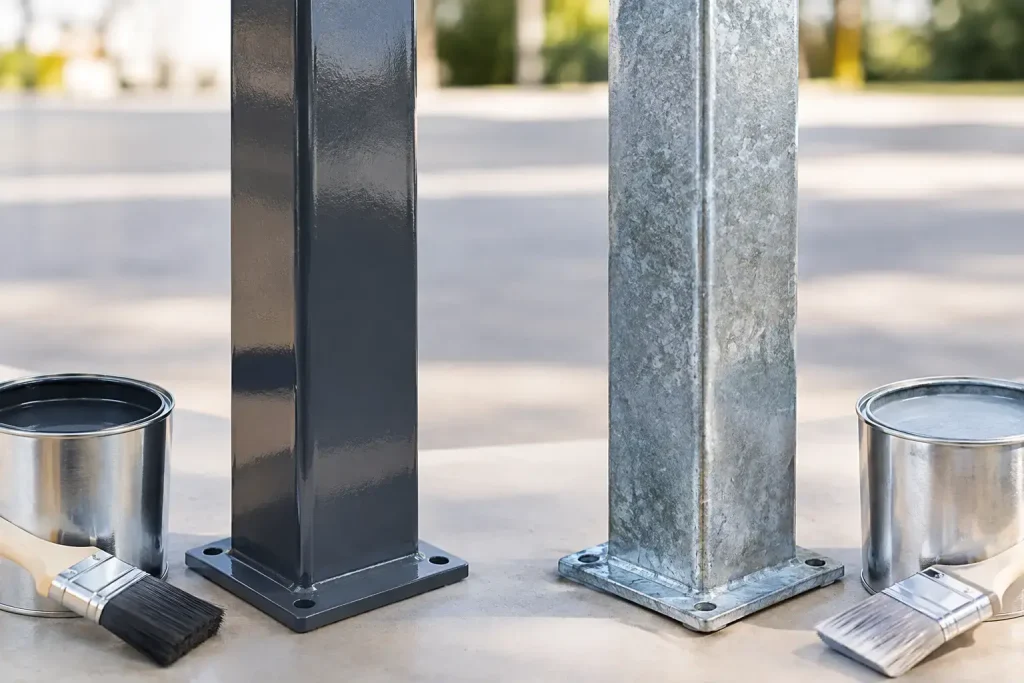
Acrylic metal coatings are generally chosen where weather exposure, colour retention and straightforward maintenance are key considerations. They are commonly used on suitably prepared exterior metalwork where the surface will see regular UV exposure, such as fences, gates, balustrades, cladding and some roof or wall applications when the product system is specified for that use.
Epoxy coatings are generally selected where the metal needs stronger resistance to moisture, chemicals, impact, abrasion or industrial contamination. As two-pack products, epoxies cure through a chemical reaction between the base and hardener. This can provide a hard, protective film, but it also means mixing, pot life, application conditions and curing requirements need to be managed carefully.
Neither coating can compensate for loose rust, oil, salt residue, chalky old paint or poor adhesion. The lasting performance of either system starts with preparation and the correct primer.
Where acrylic coatings are often the better fit
Acrylic coatings are well suited to metal surfaces exposed to Australian sun, provided the selected product is designed for exterior metal and applied over the appropriate primer. Their advantage is usually their ability to retain colour and finish better in UV-exposed positions than an epoxy topcoat used on its own.
This makes acrylic a practical option for visible architectural metalwork. A homeowner repainting a front fence, for example, may place more value on an attractive, easy-to-maintain finish than on heavy-duty chemical resistance. Similarly, a property manager maintaining exterior handrails or metal doors may need a coating that can be cleaned and touched up as part of routine upkeep.
Acrylic systems can also be more convenient where project timing and application simplicity matter. That does not mean preparation can be relaxed. Bare ferrous metal still requires proper removal of rust and contamination, followed by a compatible anti-corrosive primer where specified. Galvanised steel and aluminium require their own preparation approach, as these surfaces can present adhesion issues if they are not cleaned, abraded and primed correctly.
Acrylic is not automatically the right choice for every outdoor surface. Constant wetting, standing water, aggressive cleaning chemicals, coastal salt exposure and high-wear industrial areas may call for a more specialised system. Always check the relevant technical data sheet for suitable substrates, primer recommendations, recoat windows and application limits.
When epoxy coatings make sense for metal
Epoxy is often the more suitable choice where protection is the priority and the surface will face demanding service conditions. Workshops, plant rooms, equipment, structural steel, industrial areas and internal steelwork can all present conditions where a tougher film and greater resistance to contaminants are needed.
A properly specified epoxy system can be particularly useful for metal exposed to intermittent moisture, oils, cleaning agents or physical wear. It is also commonly used as a protective primer or intermediate coat beneath a UV-stable topcoat. This combination allows the epoxy to provide protective performance while the topcoat manages long-term sunlight exposure.
The key limitation of epoxy is UV exposure. Many epoxy coatings can chalk or lose gloss when left exposed to direct sunlight for extended periods. This does not necessarily mean the protective coating has failed, but it can affect appearance and make an exposed finish less suitable for visible exterior metalwork. Where appearance matters outdoors, an epoxy base coat with a compatible exterior topcoat may be the better system.
Epoxy application also demands more discipline than many single-pack acrylic products. The components must be mixed at the correct ratio, allowed to induct if the product instructions require it, and used within the stated pot life. Once mixed, leftover material cannot usually be saved for later use. Ambient temperature, humidity and surface temperature can all influence application and cure.
Preparation decides the result
The most expensive coating will not adhere reliably to a surface that has not been properly prepared. Before choosing acrylic or epoxy, assess the metal honestly. Look for rust, flaking paint, powdery oxidation, grease, salt deposits, sharp edges, weld spatter and signs that the existing coating is lifting.
For previously painted metal, test adhesion in several areas rather than judging the whole surface by one good patch. If the old coating is sound and compatible, cleaning and abrasion may provide a suitable base. If it is peeling, cracked, heavily chalked or softened by solvents, it should be removed back to a stable layer or bare metal as required by the coating system.
Bare steel needs particular attention. Remove rust thoroughly by the preparation method appropriate to the project, then remove dust and contaminants before priming. Do not leave freshly prepared metal exposed longer than necessary, especially in humid or coastal conditions. Flash rust can form quickly and compromise the next coat.
Galvanised steel, zinc-coated surfaces and aluminium are different again. They can appear clean while carrying oils, salts or surface treatments that interfere with adhesion. Degreasing alone may not be enough. Follow the coating manufacturer’s surface-preparation and priming instructions for that specific substrate rather than treating all metal as the same.
Edges, welds, bolt heads and joins deserve extra attention because coating films tend to pull thinner over sharp profiles. In higher-exposure applications, these areas may need stripe coating before the main coats are applied. This is a practical step that helps build coverage where corrosion often begins.
Choosing by exposure, not just by appearance
For an exterior metal fence or gate in a sunny suburban setting, a suitable acrylic topcoat over the right primer is often a logical, maintainable system. The finish needs to look good, handle UV exposure and allow practical ongoing care.
For steel in a workshop, commercial wash-down area or protected industrial environment, epoxy may be a stronger candidate because chemical resistance and film toughness can matter more than long-term gloss retention. If that steel is also exposed to regular sunlight, consider whether the epoxy needs a compatible UV-resistant topcoat.
Coastal locations require extra caution. Salt-laden air can find its way into scratches, joints and poorly prepared areas, accelerating corrosion beneath the coating. Thorough washing to remove salt contamination, suitable surface preparation, correct priming and adequate film build all matter. The coating type alone will not solve a coastal exposure problem.
For roofs and exterior cladding, avoid assuming that any metal paint is suitable. Roof coatings need to accommodate movement, weather exposure and the particular profile and condition of the roof surface. Use a coating system specifically intended for that application and follow its preparation requirements.
Application details that are easy to overlook
Coverage figures are useful for estimating product quantities, but they are not a substitute for achieving the required dry film thickness. Rough, pitted or heavily profiled metal uses more material than a smooth flat panel. Brushes and rollers can be useful for smaller work and detailed areas, while spray application may suit larger projects when carried out with the correct equipment and safety controls.
Do not apply over damp metal, during unsuitable weather, or when the surface temperature is outside the product’s stated range. Condensation can be difficult to see, particularly early in the morning or late in the afternoon, yet it can interfere with adhesion. Ensure each coat has dried or cured for the required period before recoating.
Compatibility also matters. A new epoxy over an unknown old coating, or an acrylic applied over a surface with unsuitable residues, can lead to lifting, wrinkling or poor adhesion. When the existing finish is uncertain, carry out a small test area and review the technical documentation before committing to the full job.
A practical way to make the choice
Start with four questions: What metal are you coating? What condition is it in? What will it be exposed to? And is the final surface mainly judged on appearance, protection or both?
Choose a suitable acrylic system when UV resistance, colour retention and exterior appearance are central to the job. Consider an epoxy system where the metal needs greater protection from wear, moisture or chemicals, particularly in sheltered or industrial settings. For exposed metal that needs both protective performance and a long-lasting exterior finish, a multi-coat system with an epoxy layer and compatible topcoat may be appropriate.
Before purchasing, review the product technical data sheet and safety data sheet, confirm the recommended primer and calculate the actual surface area, allowing for profiles, edges and losses. BG Coatings can provide practical manufacturer guidance to help match the coating system to the surface and conditions. A careful product choice is useful, but careful preparation is what gives that choice the best chance to perform.