A paint order can look economical on paper and still cost a trade business time and margin if the coating is wrong for the substrate, the quantity falls short, or the finish varies between batches. Buying bulk paint for professional painters is not simply about ordering larger pails. It is about planning a coating system that suits the job, applies efficiently and gives the client a dependable result.
For repaint work, maintenance programmes and larger new-build packages, the right purchasing approach starts well before the order is placed. Surface condition, existing coatings, exposure, preparation requirements and application method all affect what should go on the ute.
Start With the Surface, Not the Volume
The largest paint order is not always the best-value order. Before calculating litres, confirm exactly what is being coated and what is already on the surface. A sound previously painted internal wall calls for a different system to weathered exterior masonry, galvanised metal, concrete, a tiled roof or a swimming pool shell.
Professional painters know that adhesion issues usually begin below the topcoat. Powdery surfaces, chalking paint, loose material, moisture, contaminants and incompatible old coatings can all undermine an otherwise quality product. If the substrate has not been identified, buying extra topcoat will not solve the problem.
For exterior work, check how much weather exposure the surface receives and whether it is prone to movement, dirt pick-up or moisture. For interior projects, consider washability requirements, room use, ventilation and the level of finish expected. Industrial and specialist jobs may also require resistance to particular site conditions, so the relevant technical data sheet and safety data sheet should be reviewed before specifying a system.
Where an existing coating is unknown, testing a small area and assessing adhesion can be more useful than making assumptions. Preparation and primer selection should follow the product documentation, especially where bare, repaired or mixed substrates are involved.
How to Plan Bulk Paint for Professional Painters
A reliable quantity estimate uses measured surface area, realistic coverage information and the required number of coats. It also allows for practical job conditions rather than relying on a best-case figure.
Measure walls, ceilings, roofs or other surfaces carefully, then subtract major openings where appropriate. Add the areas back in where doors, frames, eaves, parapets or detailed sections need separate coating. Coverage rates are guides, not a promise. Porous surfaces, textured finishes, overspray, application technique and the profile of the substrate can all increase product use.
It is sensible to allow for cut-in work, touch-ups and reasonable site variation, but over-ordering has a cost too. Storage space, product shelf life and the likelihood of future colour changes should all be considered. On a staged project, ordering enough product to maintain consistency across a defined area can be preferable to purchasing small amounts as the work progresses.
For pools, quantities need more than a simple square-metre calculation. Pool dimensions, water volume, the existing pool surface and the selected coating system affect how much primer and paint may be required. The BG Pool Paint Calculator is a practical starting point before purchasing pool paint, helping contractors and owners estimate quantities with less guesswork.
Keep Colour and Sheen Consistent
A colour match is only as useful as the information supplied. Confirm the required colour, sheen level, product range and surface before paint is tinted or ordered. If the project involves an existing colour, provide a suitable sample where possible and allow for normal variation between aged coatings and freshly applied paint.
For larger areas, plan colour batches carefully. Keeping product from the same production run together where practical and boxing containers before application can help reduce visible variation. This matters most across broad walls, roof sections and high-visibility commercial facades.
It also pays to confirm whether the specified finish is suitable for the condition of the surface. Higher-sheen coatings can highlight uneven preparation, while lower-sheen finishes may better disguise minor imperfections but may not suit every cleaning or durability requirement.
Choose a Coating System, Not Just a Topcoat
A professional specification should account for preparation, primer, intermediate coats where required, and the finishing coat. Skipping a compatible primer may appear to save labour and material at the start, but it can create uncertainty over adhesion, sealing and finish uniformity.
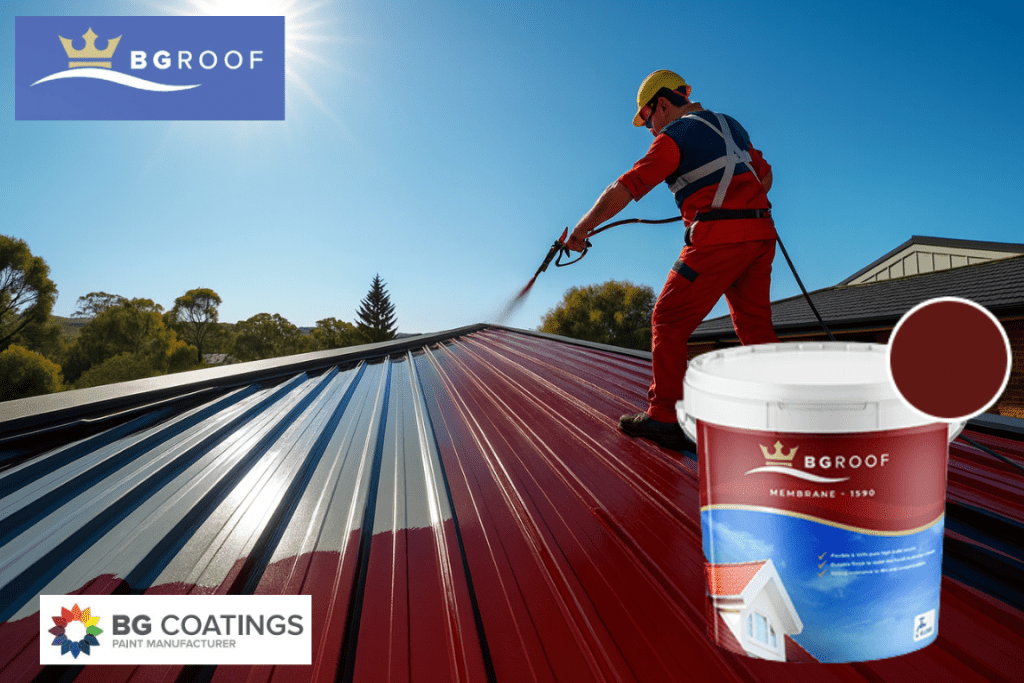
The right system depends on the job. Exterior house paint needs to suit the substrate and local exposure. Roof coatings require thorough cleaning, treatment of defects and attention to the existing roof surface before coating begins. Limestone and sandstone may require an appropriate sealer that respects the porosity and appearance of the material. Pool coatings need a system compatible with the existing finish and pool substrate.
Two-pack epoxy and chlorinated rubber pool coatings are not interchangeable choices. Each has preparation, compatibility and application requirements that should be checked before work begins. Never select a specialist coating solely because it was used on a previous job. The condition and history of the surface in front of you matter more.
BG Coatings manufactures Australian-made coating systems and can provide practical product selection guidance, colour-matching support and documentation to help painters confirm the appropriate system before committing to a bulk order.
Balance Pail Size With Site Efficiency
Bulk purchasing can reduce administration and make site supply easier, but bigger containers are not automatically better for every crew. Consider how product will be moved, mixed, decanted and protected on site. A container that is awkward to handle can slow the team down or increase the chance of spills and contamination.
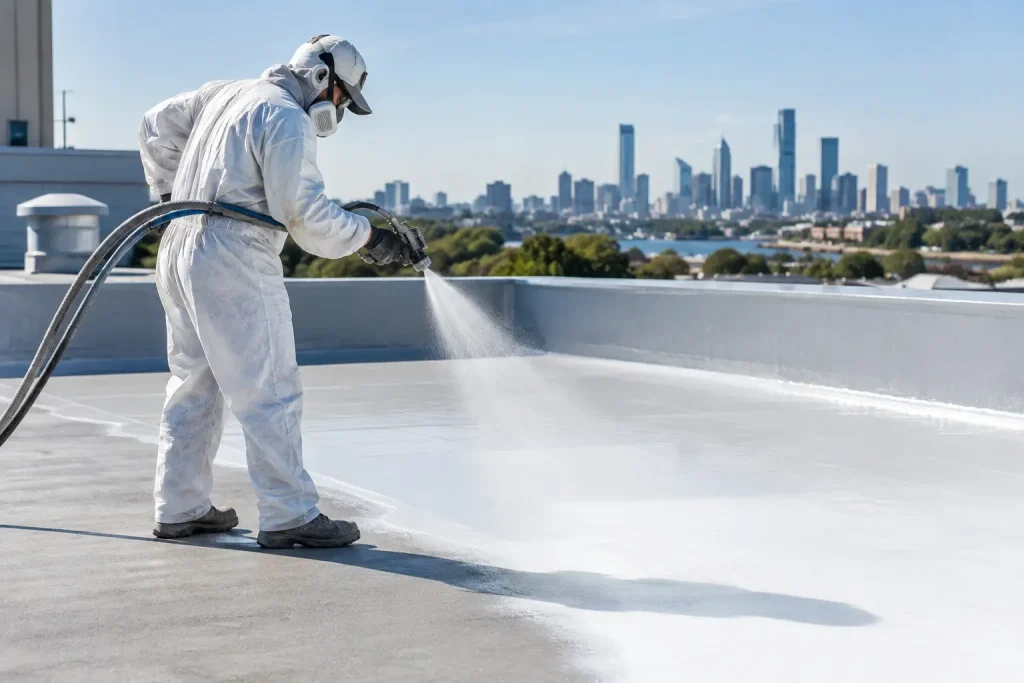
For spray work, make sure filtering, thinning requirements where permitted, pot life for two-pack products, and equipment cleaning are planned before the job starts. Do not alter products outside the manufacturer’s instructions. Spray application can be efficient on suitable projects, but it may involve more masking, overspray control and product loss than brush and roller application.
Storage also deserves attention. Keep unopened and opened products in suitable conditions, secure lids promptly and clearly label part-used containers with the product name, colour and date. Store products according to their technical documentation and keep incompatible materials separate. Good stock control is particularly useful for maintenance contractors managing several sites at once.
Build Supply Planning Into the Programme
The best time to discuss availability is before the programme is locked in. Confirm lead times for standard products, tinted colours and specialist coatings, especially when a job has multiple stages or access windows. If a project is based in Perth or Western Australia, local collection from Malaga may assist with planned trade supply. Availability for delivery can vary by product and destination, so confirm this early rather than leaving it to the final day.
A clear order should identify the coating range, colour, sheen, pack sizes, primer and any associated products needed for preparation or clean-up. It should also account for weather-sensitive work. Exterior coatings, roof coatings and pool paint systems can have limits around surface condition, temperature, humidity and rain exposure. These are job-planning issues, not details to check after the scaffold is up.
For recurring property-maintenance work, keeping a record of product systems used at each site makes future touch-ups and repainting easier to manage. Record the substrate, preparation undertaken, primer, topcoat, colour and date of application. That information can save hours when a facilities manager requests maintenance months later.
Buy With the Finish in Mind
Bulk paint purchasing works best when it supports a repeatable process: inspect the surface, confirm the coating system, calculate carefully, prepare properly and keep product handling consistent. The lowest upfront material figure is not always the strongest commercial decision if it creates additional labour, rework or uncertainty on site.
Before placing the order, take one final look at the substrate, specification, quantities and documentation. A few practical checks at that point can help the crew start prepared and leave behind a finish that reflects well on the business.