A roof membrane can only perform as well as the surface beneath it. Applying a premium coating over chalky paint, loose rust or trapped moisture may make the roof look better briefly, but it does not create a sound coating system. If you are researching how to apply roof membrane, start with preparation, compatibility and weather conditions before opening a tin.
For metal and tiled roofs alike, the right process depends on the existing substrate, the condition of old coatings and the membrane product specified for the job. A liquid-applied roof membrane is not a universal fix for every roof issue. It is a protective coating system that needs a clean, stable, dry surface and the correct primer where required.
Start by identifying the roof surface
Before choosing a membrane, establish what you are coating. Common roof surfaces in Western Australia include painted or bare metal sheeting, concrete tiles, terracotta tiles and fibre cement products. Each can have different preparation and primer requirements.
Look closely at the current finish. Sound, well-adhered paint may be suitable for recoating after thorough cleaning and abrasion where the technical data sheet calls for it. Flaking paint, oxidised metal, powdery surfaces and worn coatings need more work. Remove loose material rather than trying to cover it. A membrane needs a firm base to bond to.
If the roof has active leaks, damaged flashing, loose fasteners, severely corroded sheets or cracked tiles, those issues need to be addressed before coating. A roof membrane should not be relied on to correct structural faults or major water-entry points. For complicated substrates, unknown old coatings or a roof with widespread deterioration, seek product-specific technical advice before proceeding.
Check the forecast and plan the job
Weather affects application, drying and film formation. Choose a stable period with no rain expected during the coating and early drying stages specified by the product manufacturer. Avoid applying when the roof is wet from rain, dew or cleaning, and do not start late in the day if evening moisture is likely before the coating has dried sufficiently.
Roof temperatures can be much hotter than the air temperature, particularly on dark metal in Perth summer conditions. Very hot surfaces can cause the coating to dry too quickly, making it harder to maintain an even film and a wet edge. Wind can also carry dust onto fresh coating and make spray application difficult to control.
An early start can help, but only once moisture has cleared. Follow the application temperature, humidity and recoating guidance in the relevant technical data sheet rather than relying on a general rule of thumb.
Prepare the roof thoroughly
Preparation is usually the longest part of the project, and it is where lasting results are won or lost. Clear leaves, dirt and loose debris from valleys, around penetrations and from behind flashings. Then wash the roof to remove accumulated dust, grime, chalking and biological growth.
Pressure cleaning may be appropriate for many roof surfaces, but the method must suit the substrate and its condition. Excessive pressure can damage fragile tiles, force water into areas where it should not go, or lift poorly bonded existing paint. Work methodically and take care around roof laps, flashings and penetrations.
After washing, allow the roof to dry completely. Moisture trapped beneath a coating can interfere with adhesion and may lead to premature failure. Check shaded areas, valleys and areas around roof fixtures carefully, as these often stay damp longer than open sections.
Once dry, scrape and sand back loose or peeling coatings. Treat rust on metal roofs according to the chosen coating system, removing loose corrosion and preparing affected areas properly. Dust must be removed before priming or coating. Mask gutters, solar equipment, skylights, walls and any areas that must remain free of overspray or roller splatter.
Prime only where the system requires it
Primer selection is not an optional detail. It helps the membrane bond to difficult or exposed substrates and can provide an appropriate base over areas such as bare metal, rust-treated sections or porous tile. The correct primer depends on the roof material and the condition of the existing coating.
Do not assume one primer suits every roof. Some surfaces may need spot priming, while others may require a full primer coat. Applying a membrane directly over bare, weathered or incompatible material can reduce the value of the whole job.
Read the primer and membrane technical data sheets together. Confirm surface suitability, mixing instructions, recommended spread rate, drying time and maximum recoat window. If you are using products from different manufacturers, check compatibility first. A coating system is designed to work as a system, not as a collection of convenient leftovers.
How to apply roof membrane evenly
Stir the membrane thoroughly before and during use as required by its instructions. Do not add water, solvent or other additives unless the technical data sheet specifically permits it. Unapproved thinning can affect viscosity, film build and the final protective finish.
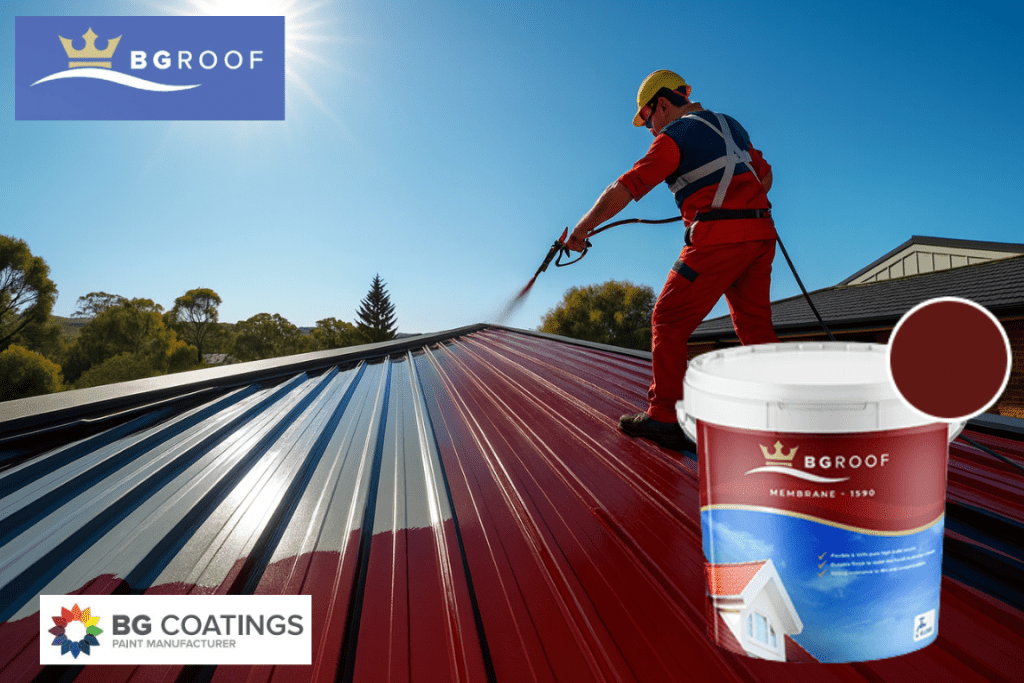
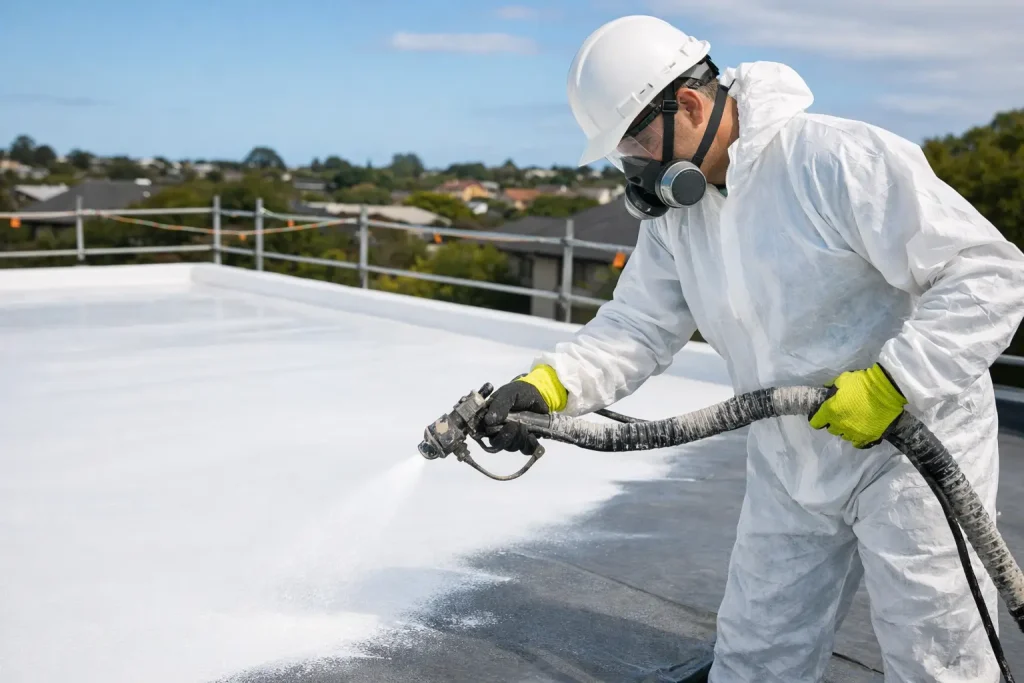
Most liquid roof membranes can be applied by brush, roller or suitable spray equipment, depending on the product and job size. A brush is useful for edges, overlaps, fasteners, penetrations and other detailed areas. Rollers suit broad, accessible sections and can give DIY users good control. Spray application can be efficient on larger roofs, but it requires the right equipment, operator experience and careful protection from overspray.
Apply the coating at the manufacturer’s stated coverage rate. Spreading it too far may leave an insufficient dry film thickness, while applying it too heavily can affect drying and may create sags or uneven texture. Work in manageable sections, maintaining a wet edge so roller marks and lap lines are less noticeable.
Pay close attention to changes in roof profile and high-detail areas. Around vents, flashings, screws, laps and penetrations, use the brush to work the membrane into the surface before rolling the wider section. These areas are often missed when application is rushed.
Most roof membrane systems require more than one coat. Allow each coat to dry for the stated period before recoating, and stay within any maximum recoat time. The second coat should be applied at right angles to the first where practical. This helps improve consistency and makes missed areas easier to identify.
Apply safely and avoid common shortcuts
Roof work carries real risks. Use suitable access equipment, stable footwear and appropriate fall-protection measures for the site and roof design. Never work alone where a fall risk is present, and avoid carrying open containers while climbing ladders. Follow the safety data sheet for personal protective equipment and ventilation requirements.
The most common application problems are avoidable: coating over damp surfaces, failing to remove loose paint, using an unsuitable primer, applying too thinly, ignoring recoat windows or starting when rain and dew are likely. Each shortcut may save time on the day, but can make the coating system less dependable.
Colour choice also deserves practical thought. Lighter roof colours can reduce surface heat compared with darker colours, but final colour selection should account for the roof style, surrounding finishes and any strata or local requirements. If colour matching matters, confirm the available options before beginning preparation.
Check the finished coating before packing up
When the final coat has dried as specified, inspect the roof from several angles in good light. Look for thin patches, missed edges, uneven coverage and detail areas around penetrations. Do not walk on a newly coated roof until the product guidance allows it.
Keep a record of the coating product, primer, batch details, application dates and weather conditions. This is useful for maintenance planning, trade handover and any future recoating work. Clean tools promptly using the method specified for the product.
For a roof membrane system, practical preparation matters more than speed. BG Coatings can help customers compare suitable roof coating options and check the relevant technical documentation before purchase, so the selected products match the roof surface and the way you plan to apply them.